





Rated heat output and rated heat input of combustion appliances
A combustion appliance is an apparatus where fuel is burned to generate heat for space heating, water heating, cooking or other similar purpose.
According to Approved document J, Combustion appliances and fuel storage systems:
The rated heat input (or ‘rated input’) for a gas appliance is the maximum heat input rate at which it can be operated, as declared on the appliance data plate.
The heat input rate is the maximum rate of energy flow into an appliance, calculated as the rate of fuel flow to the appliance multiplied by either the fuel’s gross or net calorific value. Traditionally, the UK has used gross values, most European standards use net values. Thus for gas appliances it is now the norm to express this rating as a net value (kW (net))
The rated heat output for an oil appliance is the maximum declared energy output rate (kW) as declared on the appliance data plate.
The rated heat output for a solid fuel appliance is the manufacturer’s declared nominal energy output rate (kW) for the appliance. This may be different for different fuels.
[edit] Related articles on Designing Buildings Wiki
Featured articles
Check out some of the best features and news from Designing Buildings as well as key stories from around the web.
Campaigning for Edinburgh: the Cockburn Association 1875-2049

The role of the civic voice in protecting character. Book review.

CIOB photography competition is open for entries.
ECA Edmundson apprentice of the year award

Finalists announced.
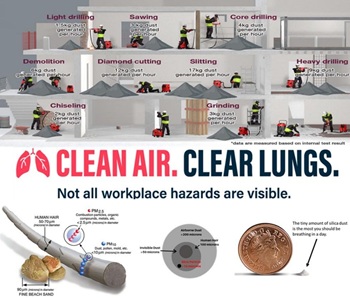
Major new study exposes serious knowledge gaps.
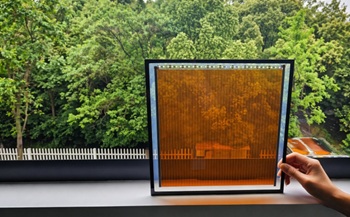
Generating energy from internal light as well as sunshine.

ECA welcomes plans to strengthen subcontractor quality control.

Combining mid-career qualifications with experience broadens career opportunities.

Why being a mentor can help your career.

Channel 4 broadcaster to host 125th anniversary ceremony.
Listed structures on the rail network
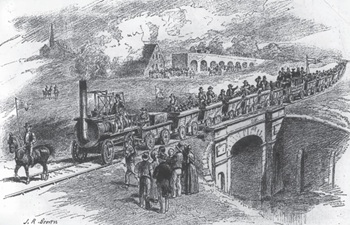
Heritage interests and operational requirements must be balanced.
Historic England publishes research into embodied carbon when retrofitting traditional buildings.
New Prime Minister delivers on ECA call for cut in electricity costs.